

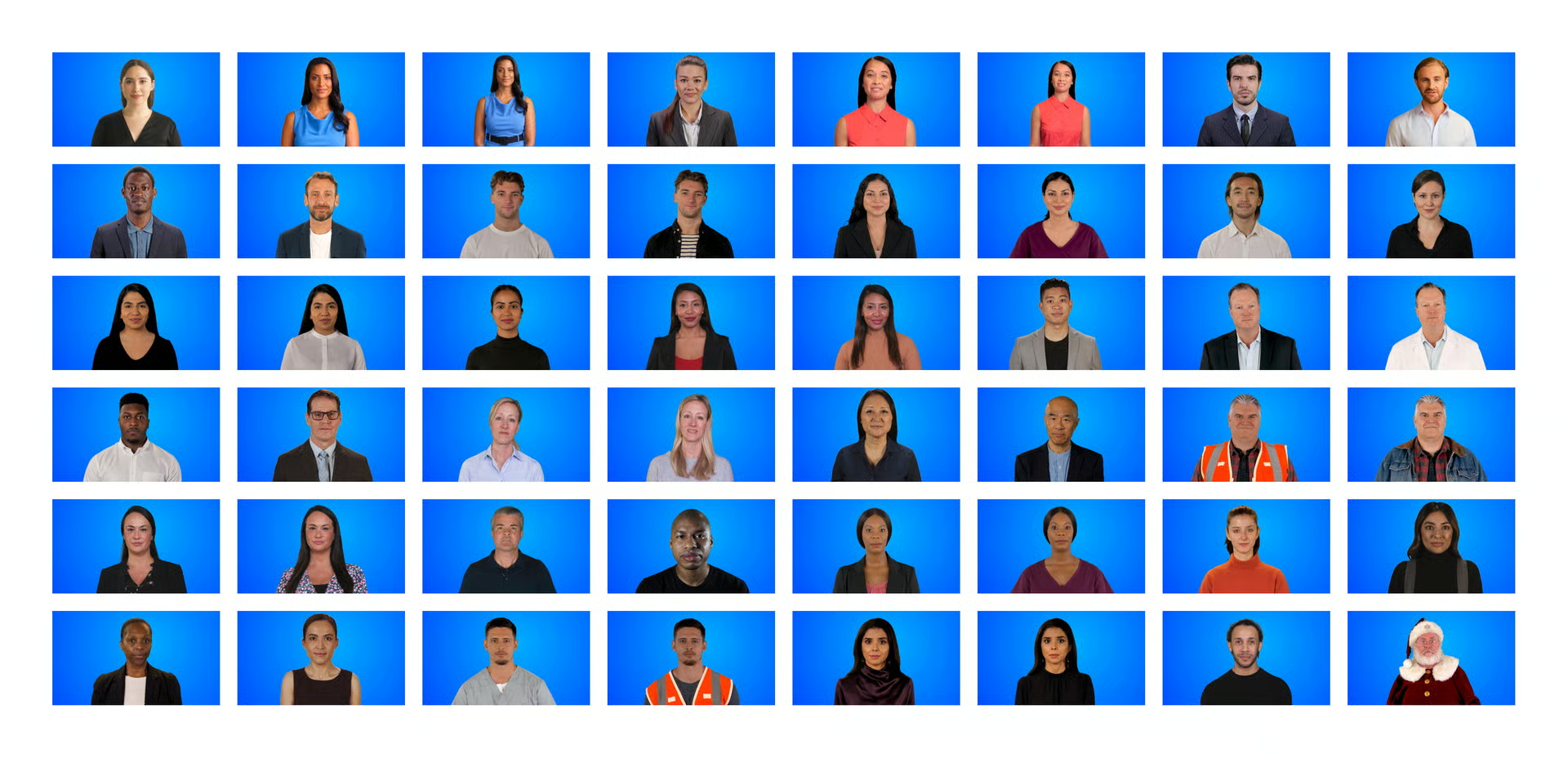

Synthesia hits $4B valuation, offers employee liquidity
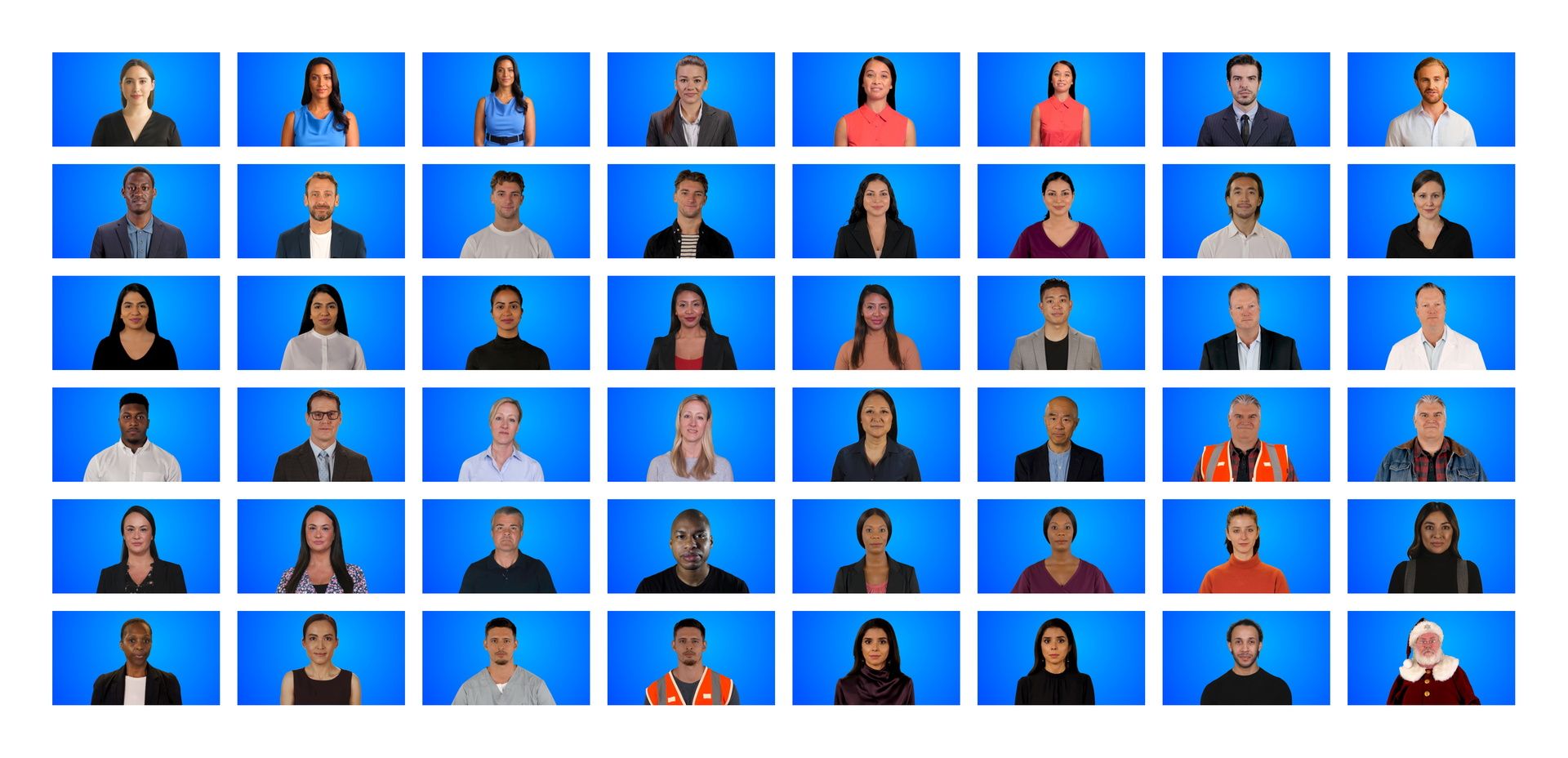
British AI video startup Synthesia raised $200M in a Series E led by GV (Google Ventures), with participation from Nvidia's NVentures, Accel, Kleiner Perkins, and NEA. The round nearly doubles the company's valuation from $2.1B a year ago.
Unlike frontier AI labs burning cash on uncertain paths to profitability, Synthesia has found a lucrative niche: enterprise training videos. The platform lets companies create AI-generated video using digital avatars—no cameras, no studios, no production crews. Clients include Bosch, Merck, and SAP.
The company crossed $100M ARR in April 2025 and expects to pass $200M sometime this year. That's real revenue growth, not just hype.
Notably, Synthesia is also facilitating an employee secondary share sale in partnership with Nasdaq at the $4B valuation. This provides liquidity to long-tenured employees while letting them remain shareholders—a model that's becoming increasingly common as companies stay private longer.
The funding will accelerate Synthesia's push into AI agents that can interact with viewers in real time, moving beyond static training videos to conversational learning experiences.
World Labs in funding talks at $5B valuation

Fei-Fei Li's AI startup World Labs is reportedly raising hundreds of millions of dollars at a $5B valuation—a 5x increase from its $1B valuation when it emerged from stealth in 2024.
Li, often called the "godmother of AI" for her work on ImageNet, is building what she calls "large world models"—AI systems designed to understand and operate in three-dimensional space rather than just processing text. Late last year, the company launched its first product, Marble, which generates 3D environments from text or image prompts.
The funding round signals investor appetite for AI that extends beyond chatbots. Competitors in this emerging space include Yann LeCun's AMI Labs (reportedly at $3.5B valuation), suggesting a new frontier in the AI funding landscape.
World Labs' existing backers include Andreessen Horowitz, NEA, Nvidia, and individual investors like Google DeepMind's Jeff Dean and Geoffrey Hinton.
Humans& raises $480M seed at $4.48B valuation

Three-month-old startup Humans& closed a $480M seed round at a $4.48B valuation—one of the largest seed rounds in tech history. The round was led by SV Angel, with backing from Nvidia, Jeff Bezos, and GV.
The founding team reads like an AI all-star roster: Andi Peng (former Anthropic researcher who worked on Claude), Georges Harik (Google's seventh employee), Eric Zelikman and Yuchen He (former xAI researchers who helped build Grok), and Noah Goodman (Stanford professor).
The company's pitch is "human-centric AI"—systems designed to empower workers rather than replace them. It hasn't shipped a product yet.
The mega-seed trend continues: Thinking Machines Lab raised $2B last July, Unconventional AI raised $475M in December. Capital is concentrating in teams with pedigree, even before proof of product-market fit.
Recently Public: Lessons from the Class of 2025
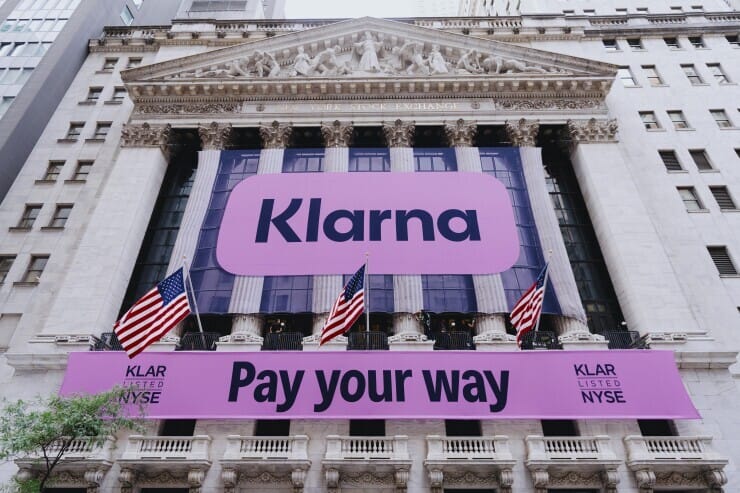
Klarna faces securities class action after 50% slide
The Swedish BNPL giant that IPO'd in September 2025 is now the target of multiple securities lawsuits. The allegations: Klarna "materially understated the risk that its loss reserves would materially go up within a few months of the IPO."
The stock has fallen from a post-IPO high of $57.20 to around $28—roughly a 50% decline. Lead plaintiff deadline is February 20, 2026.
Not everyone is running for the exits. Cathie Wood's ARK ETF bought 57,000 shares on January 14, and Klarna continues expanding—launching instant P2P payments across 13 European countries last week. But the litigation overhang is a reminder that even successful IPOs can face turbulence when reality diverges from the prospectus.
Figma stabilizes near IPO price after 75% drop
The design software company listed at $33 in July 2025, spiked to $143 the following day, then gave back nearly all those gains. It now trades around $30.
The silver lining: Wells Fargo just named Figma a 2026 top pick, citing its AI expansion (Figma Make, Sites, Buzz) and strong developer positioning. Revenue grew 41% in the first nine months of 2025.
For context, Adobe offered $20 billion for Figma in 2022 before regulators blocked the deal. At today's ~$14.5 billion market cap, the stock trades well below that abandoned acquisition price—despite stronger fundamentals and an AI roadmap that didn't exist when Adobe came calling.
What it means for the IPO pipeline
These struggles don't necessarily signal trouble for 2026's IPO candidates. But they underscore the risks. Both companies went public with strong narratives and investor demand. Both saw dramatic post-IPO volatility. For investors eyeing the next wave—Canva, Plaid, Databricks—the lesson is clear: the IPO is a beginning, not an ending, to price discovery.
The private markets “index” is quietly being built in 2026—and it doesn’t look anything like the old IPO pipeline.
Augment CEO Noel Moldvai and Co-Founder Adam Crawley recently joined the Practical VC: Trading Places podcast to discuss the massive shifts we’re seeing in 2026, alongside our research partner, Sacra’s Marcelo Ballvé. The conversation covers our mission to streamline secondaries execution and the trends we are seeing in the just-released Power 20 report:
- Capital concentration in AI infra and model platforms
- Companies staying private far longer (while behaving like public companies)
- Valuations versus fundamentals in late-stage AI
- Data-driven coverage of private markets becoming the new “sell-side
- Augment’s role vs. banks and brokers as secondaries infrastructure
- Explosion of SPVs and structured secondaries as the main liquidity rail
- Find it on Spotify, Apple Podcasts, or watch it here on Youtube:
Top 20 Private Companies in 2026, The Billionaire Tax, Mistral AI Valuation | Augment + Sacra | Ep20
Quick takes
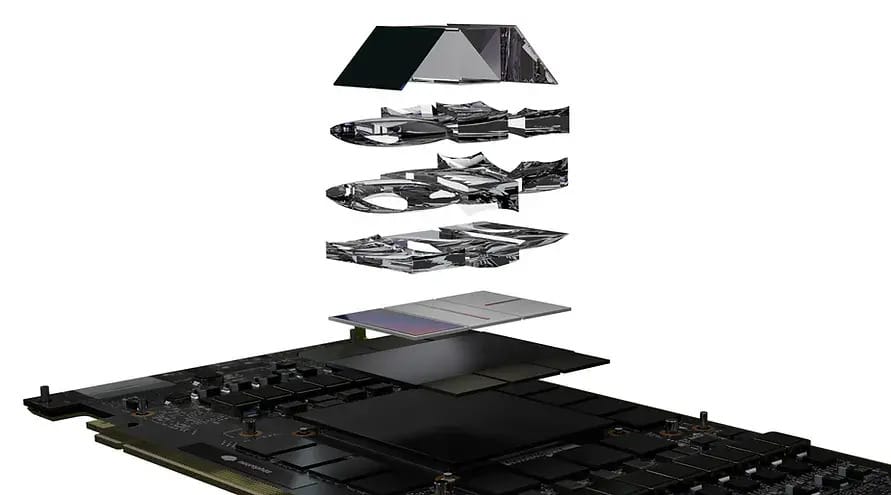
A Neurophos photonic processor, which the company says can compress an entire server rack “into the size and power draw of a single GPU.”
Mews raises $300M at $2.5B for hotel software — The Amsterdam-based hospitality platform raised the largest funding round ever in hotel tech, led by EQT Growth. Mews processed $19.7B in transactions last year.
Tulip hits unicorn status with $120M raise — Mitsubishi Electric led the Series D at a $1.3B valuation for the manufacturing operations platform. AI is coming to the factory floor.
Neurophos raises $110M for light-based AI chips — Gates Frontier led the Series A for the Austin, Texas based Duke spinout, developing photonic processors for AI inference. Energy efficiency is the new battleground.
Inferact secures $150M for vLLM commercialization — The startup behind the open-source vLLM inference project landed seed funding to build enterprise products.
Data Point of the Day
$480 million
The seed round raised by Humans&—for a company that hasn't shipped a product yet. The round valued the three-month-old startup at $4.48B. For context, that's larger than most Series C rounds and exceeds the entire valuation of many public companies. They also tell Axios Pro they will raise even more in the weeks ahead.
Manual
Employee Secondary Sale
A transaction where employees sell existing shares to outside investors, distinct from the company issuing new shares. Secondary sales provide liquidity to employees without diluting ownership or requiring the company to go public. They're increasingly common as companies stay private longer—Synthesia's Nasdaq-partnered secondary at $4B this week is a recent example.
What we're watching
- Applied AI vs. frontier AI — Synthesia's path to $200M ARR contrasts sharply with pre-product companies raising at multi-billion valuations. Which model wins long-term?
- World models as the next frontier — Both Fei-Fei Li (World Labs) and Yann LeCun (AMI Labs) are betting on 3D spatial AI. This could be where the next wave of breakthroughs emerges.
- Employee liquidity innovation — Synthesia's Nasdaq partnership for secondary sales suggests new infrastructure is emerging to address the "staying private longer" problem.
What we're watching with our eyes closed

Related posts
View more



FOR ACCREDITED INVESTORS ONLY: Under federal securities laws, private market investments on this platform are available exclusively to Accredited Investors. Verification of status required before investing. Private investments involve significant risks including illiquidity, potential loss of principal, and limited disclosure requirements. "Augment" refers to Augment Markets, Inc. and its affiliates. Augment Markets, Inc. is a technology company offering software and data services, in addition to financial products and services through its wholly-owned but separately managed subsidiary, Augment Capital, LLC. Securities are offered by Augment Capital, LLC, member of FINRA / SIPC.